In daily life, having access to water at a safe and comfortable temperature is essential, whether it’s for bathing, washing, or other domestic and commercial uses. Thermostatic mixing valve units play a crucial role in achieving this by precisely controlling the blend of hot and cold water.
1. Working Principle
1.1 Basic Concept
Thermostatic mixing valves operate based on the principle of thermal expansion. Inside the valve, there is a temperature – sensitive element, often made of wax or a shape – memory alloy. This element responds to changes in the temperature of the water mixture flowing through the valve. When the temperature of the water deviates from the set – point, the temperature – sensitive element expands or contracts. For example, if the water temperature starts to rise above the desired level, the element expands. This expansion then triggers a mechanical movement within the valve, which adjusts the flow rates of hot and cold water to bring the temperature back to the set value.
1.2 Control Mechanism
The valve is designed to maintain a constant outlet water temperature by continuously monitoring and adjusting the ratio of hot – water to cold – water flow. It has two inlets, one for hot water and the other for cold water, and a single outlet for the mixed water. The movement of the temperature – sensitive element controls the position of a valve spool or a diaphragm. When the element expands, it may restrict the flow of hot water and increase the flow of cold water, or vice versa when the temperature is too low. This real – time adjustment ensures that the water temperature at the outlet remains stable.
2. Key Components
2.1 Temperature – Sensitive Element
As mentioned earlier, the temperature – sensitive element is the heart of the thermostatic mixing valve. Wax – filled elements are common. When heated, the wax expands, and this expansion is used to mechanically actuate the valve mechanism. Shape – memory alloys, on the other hand, can change their shape in response to temperature changes. These elements are highly sensitive and accurate, allowing for precise temperature control.
2.2 Valve Body and Spool
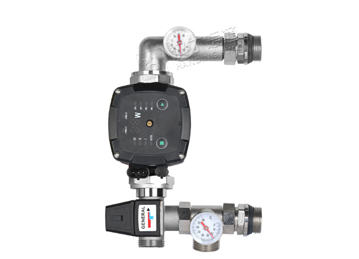
The valve body houses all the internal components and provides the connection points for the hot – water, cold – water, and mixed – water pipes. It is usually made of durable materials such as brass or stainless steel to withstand the pressure and temperature variations of the water. The valve spool, which is controlled by the temperature – sensitive element, regulates the flow of hot and cold water. It has carefully designed ports and channels that determine the amount of water flowing through each inlet, thereby controlling the temperature of the mixed water.
3. Safety Advantages
3.1 Prevention of Scalding
One of the most significant safety benefits of thermostatic mixing valves is their ability to prevent scalding. In domestic settings, especially when children or the elderly are using the water, scalding can be a serious risk. By maintaining a constant and safe water temperature, usually set between 38 – 45°C for bathing and hand – washing, the valve ensures that users are not exposed to water that is too hot. In commercial applications like hotels and hospitals, where a large number of people with different sensitivities use the water, the prevention of scalding is even more crucial.
3.2 Protection Against Sudden Temperature Fluctuations
Thermostatic mixing valves also protect against sudden temperature fluctuations. In traditional plumbing systems, a sudden increase in the hot – water supply pressure or a drop in the cold – water supply pressure can cause the water temperature to spike or drop rapidly. Thermostatic mixing valves can quickly respond to these changes and adjust the flow rates to keep the water temperature stable. This not only ensures user comfort but also prevents potential injuries caused by unexpected temperature changes.
4. Application Scenarios
4.1 Domestic Use
In households, thermostatic mixing valves are commonly installed in showers and bathtubs. They provide a consistent and comfortable water temperature, allowing users to enjoy a relaxing bathing experience without the need to constantly adjust the hot – and – cold – water knobs. They are also useful in kitchen sinks, especially when washing hands or doing dishes, as they ensure that the water is neither too hot nor too cold.
4.2 Commercial and Industrial Applications
In commercial buildings such as hotels, spas, and gyms, thermostatic mixing valves are essential for maintaining a high standard of service. In hotels, guests expect a consistent and safe water temperature during their stay. In spas and gyms, where people use water for various treatments and hygiene purposes, the proper functioning of these valves is crucial. In industrial settings, such as food processing plants and laundries, thermostatic mixing valves are used to ensure that the water used in production processes is at the right temperature.
5. Maintenance and Calibration
5.1 Regular Inspection
Regular inspection of thermostatic mixing valves is necessary to ensure their proper functioning. This includes checking for any signs of leaks, corrosion, or damage to the valve body and components. The temperature – sensitive element should also be inspected to make sure it is still responsive to temperature changes. If any issues are detected, they should be addressed promptly to avoid problems with water temperature control.
5.2 Calibration
Over time, the accuracy of the thermostatic mixing valve may drift. Calibration is the process of adjusting the valve to ensure that it maintains the correct water temperature. This can be done by using a calibrated thermometer to measure the outlet water temperature and then adjusting the valve settings accordingly. Calibration intervals may vary depending on the usage frequency and the quality of the water, but it is generally recommended to calibrate the valve at least once a year.
In conclusion, thermostatic mixing valve units are vital devices for ensuring safe water temperatures in various settings. Their unique working principle, key components, and safety advantages make them an essential part of modern plumbing systems. By understanding their operation, application, and maintenance requirements, users can enjoy the benefits of safe and comfortable water usage.